If you're thinking about replacing a subscription with OppAlerts, start with the work you use that subscription for. OppAlerts may cover research you're buying elsewhere. The saving comes when you can actually stop paying for the old product.
For example, imagine your SEO platform handles both rank tracking and technical audits. You add OppAlerts for publication research. You still need the tracking and audits. If you keep the platform for those, you still have that subscription to pay.
Work through the research you could move
OppAlerts researches your market and finds relevant mentions, links, and opportunities. OppAlerts continually checks for new opportunities. Campaign research also shows which businesses AI models recommend.
From there, you can research potential placements by wording, meaning, and opportunity type. You can find guest contributions, resource lists, expert roundups, podcasts, directories, awards, and speaking submissions. Backlink comparisons and unlinked-mention searches give you more sites and pages to investigate.
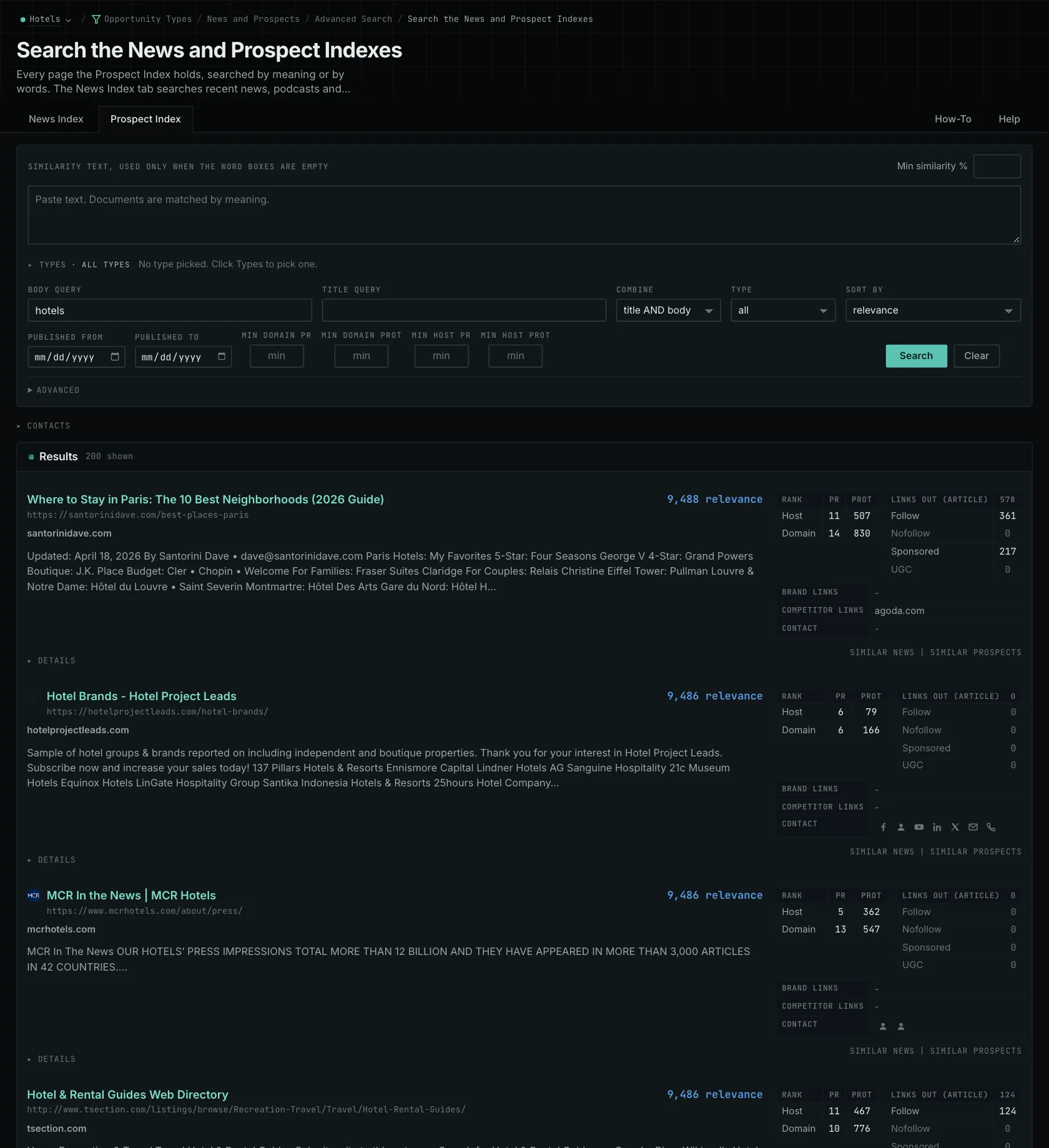
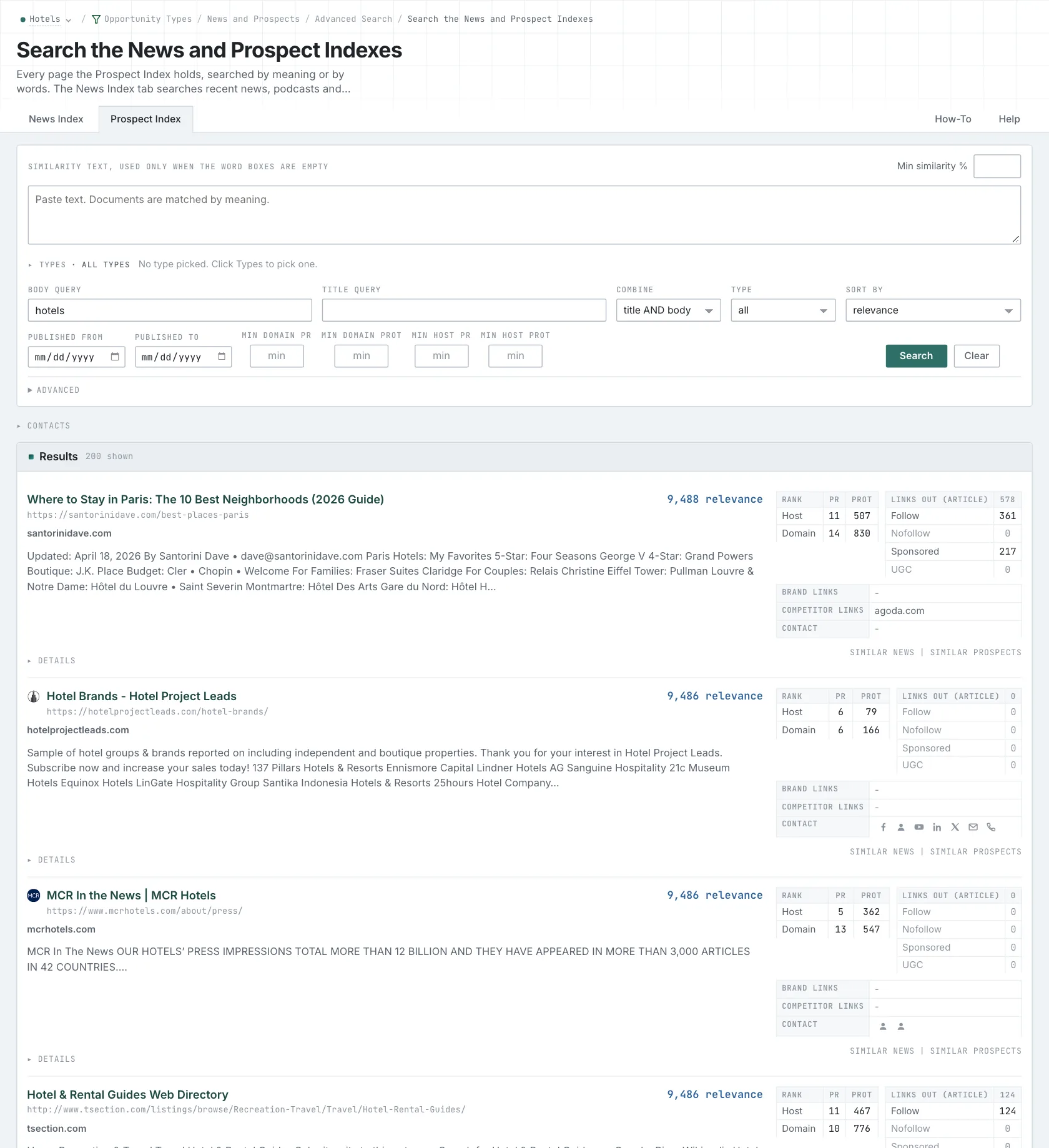
Contact lookups show you the ways a website publishes to reach it: contact pages, email addresses, phone numbers, and social profiles. You can look at monthly link history to help assess a prospect. And you can monitor coverage of your brands and competitors across collected news, blogs, and podcast material.
For content, you can compare drafts you supply with selected categories, including audiences, industries, products, and US cities. The campaign gives the research its shared context. You still choose the queries, sites, or categories for each tool.
Work out which tools you still need
OppAlerts doesn't run technical site audits. It doesn't check broken links, redirects, indexation, or page speed. It also doesn't provide the depth of keyword research you'd get from an SEO platform's search-volume databases, difficulty scores, and forecasts. If you need those, you may still need that platform.
You also need a process for writing and outreach. OppAlerts doesn't draft, rewrite, or publish content. It doesn't send email sequences or follow-ups, track replies, or store outreach relationships and notes. And when it finds published contact details, it doesn't test whether email can actually be delivered to them.
Journalist profiles and beats, social listening, review-platform coverage, sentiment analysis, and audience demographics are outside what OppAlerts does. It doesn't read server logs or connect to website analytics, so you'll need something else for crawler-log analysis or attributing traffic and conversions to AI.
The API and MCP server can read data and create and change campaigns.
Count the subscriptions you can actually cancel
Once you've worked out which tasks could move, go through your existing subscriptions. If you still need a product for one report, its cost stays unless you find another way to produce that report. Count the subscriptions you can cancel. An overlapping feature by itself doesn't save you money.
Include everyone who needs access. Some products charge per user, and others don't. The cost for one login can look very different from the cost for everyone who needs to research, edit, or report.
You might keep an SEO platform for audits, use OppAlerts for research and monitoring, and keep an outreach tool for sending. That's one possible setup. If you do less outreach or need different reports, your set of tools may be smaller or simply different.
Before you cancel anything, complete a real assignment with the replacement you're considering. Check the output, capacity, and access. You should be able to explain which work moves and why you still need each remaining subscription. Next, read about product fit, the SEO-platform comparison, or pricing and inclusions.
See how OppAlerts fits your work.
Tell me what you are working on and what you need to find out. I can walk you through the relevant reports and explain what OppAlerts can help you do.
You can explore the demo first, or use this form to ask about a task or arrange a demonstration with me.