Writing for another publication takes time. Before you commit, read enough of it to understand its audience, decide what you can contribute, and check whether you can meet the editorial requirements.
Search for contribution and submission pages related to your subject. Open the result's Details and the live page. An existing guest article shows what's been published; current instructions tell you how to submit your own work.
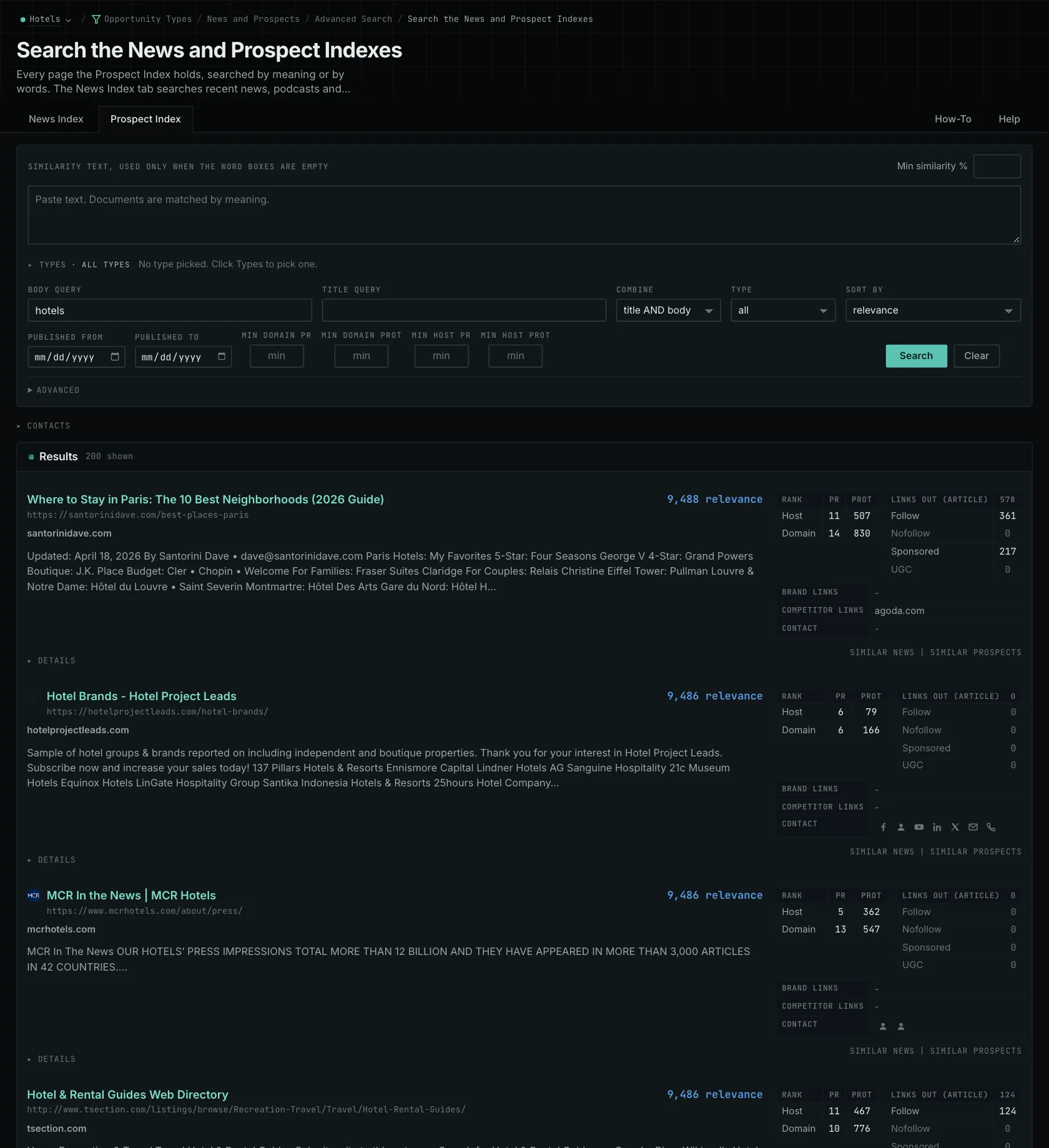
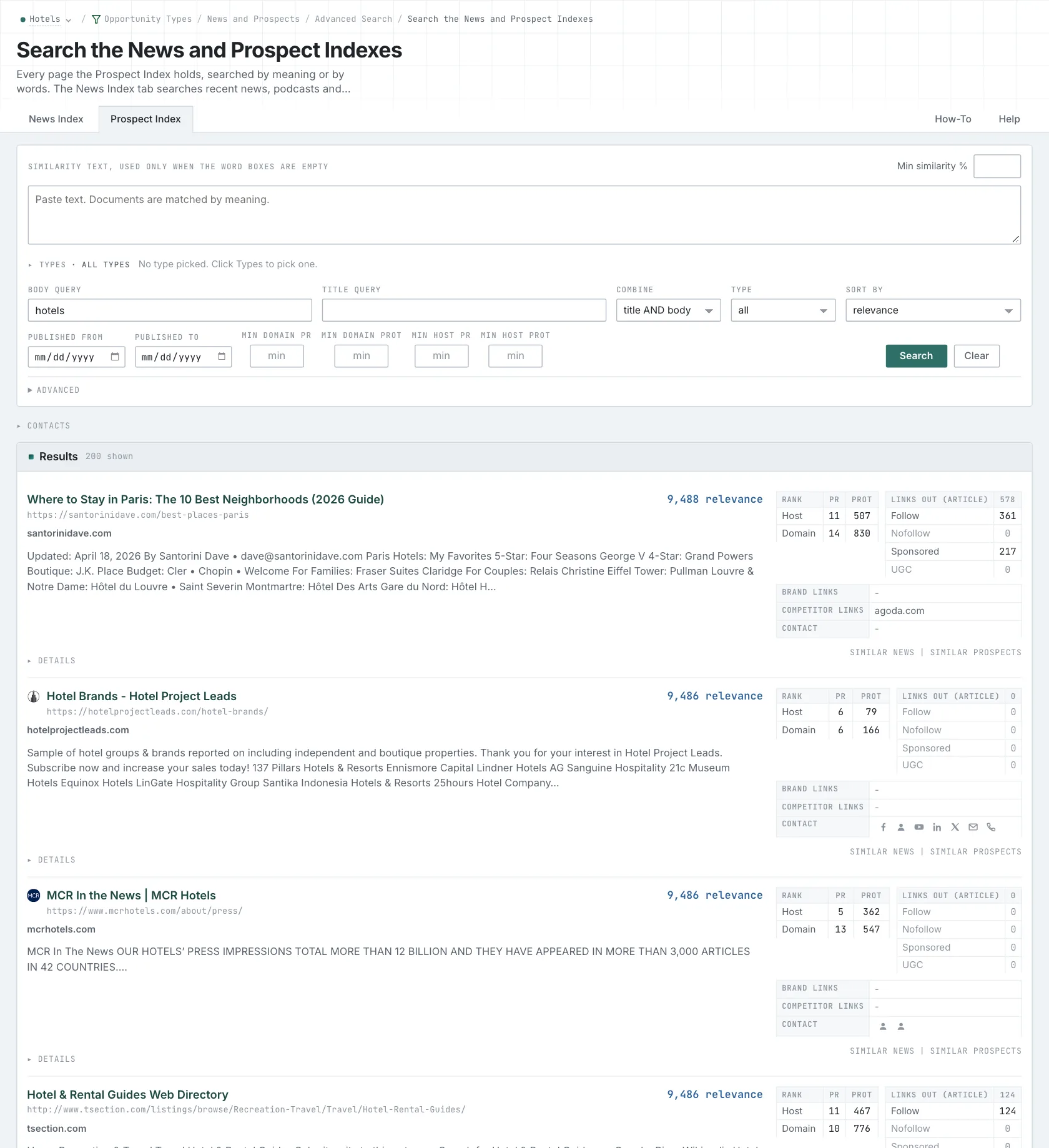
Say you can write a technical tutorial from a project you've completed. One publication accepts original tutorials. Another covers the same industry but commissions opinion pieces. The first may fit your article. The second may need a different contribution or accept no unsolicited submissions at all.
Read the requirements before writing. Length determines the work involved. Originality and exclusivity affect where else the piece can appear. Author requirements tell you whose experience must support it, and the link policy explains what's permitted for references and attribution.
Read what the publication actually publishes
Read recent articles to check the level of explanation, authorship, editorial ownership, and audience. If paid placements are presented as independent coverage, or the selection process is unclear, resolve those questions before committing your work.
Historical link measurements give you more context about the website. To decide whether your tutorial belongs there, use the current coverage and editorial requirements to connect it with the readers' needs.
Propose a specific explanation: the task the tutorial covers, what readers can do afterward, and the evidence or experience you'll bring. Give the editor a topic to assess, then use your credentials to support it.
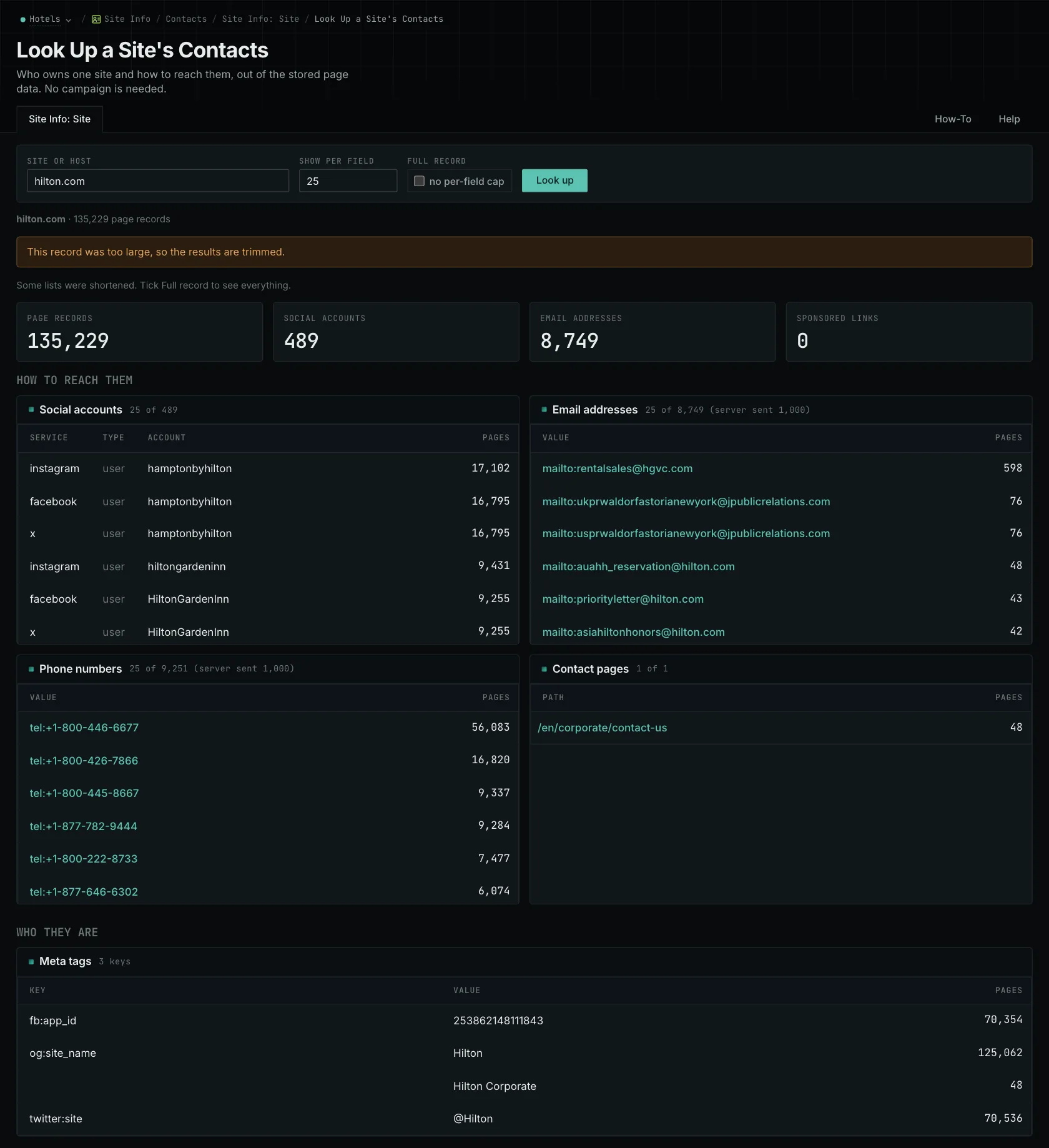
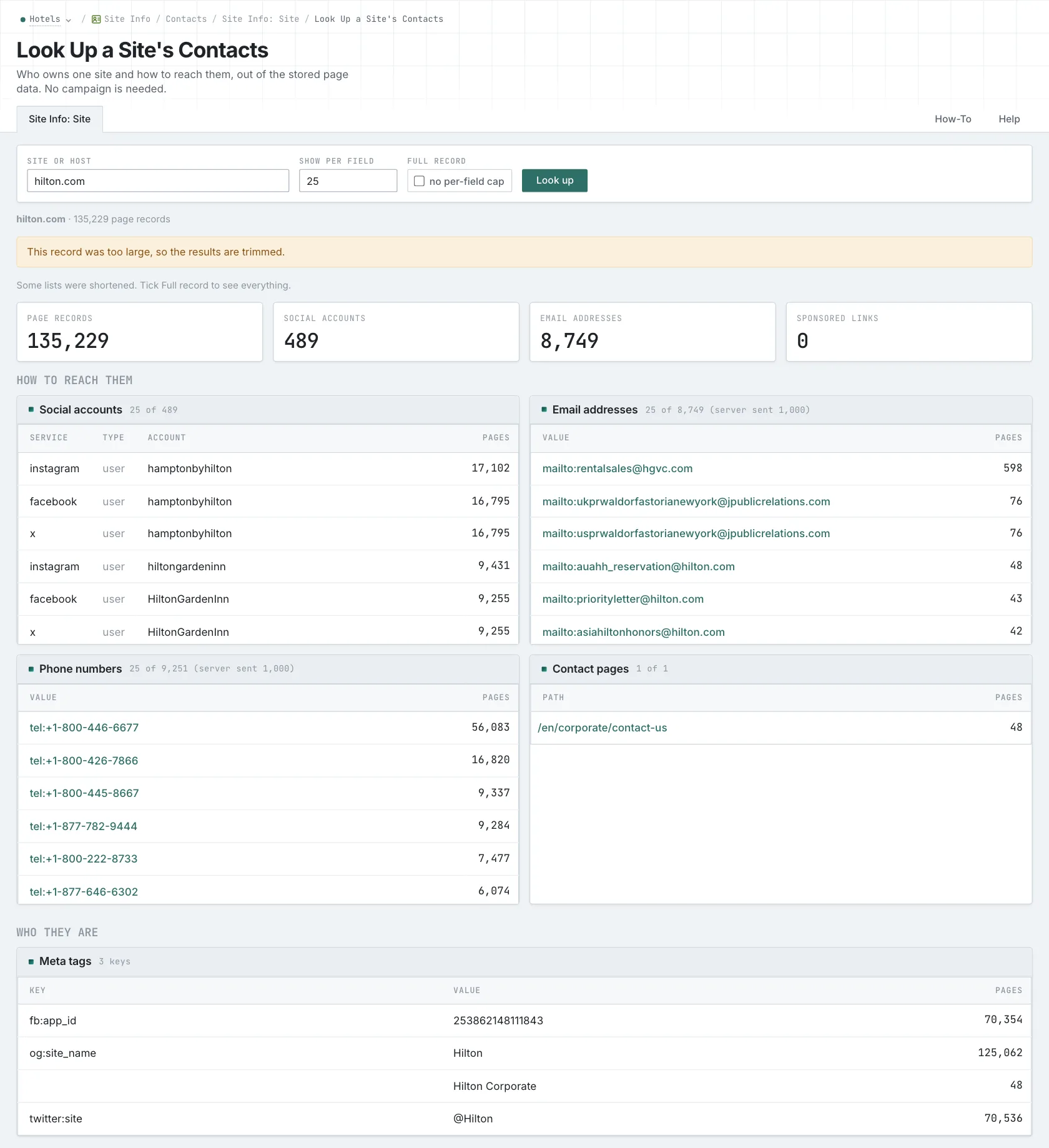
Follow the stated submission route. Site Info can help you find published contact pages or addresses, but check the current instructions. A stored address reflects what was collected, rather than a guarantee that it still handles proposals.
Record why the article fits and what publication requires. Even a suitable proposal can be declined because of timing or coverage already planned.
Related reading: the qualification checklist, searching by opportunity type, a lower-effort alternative.
See how OppAlerts fits your work.
Tell me what you are working on and what you need to find out. I can walk you through the relevant reports and explain what OppAlerts can help you do.
You can explore the demo first, or use this form to ask about a task or arrange a demonstration with me.