Link prospecting means finding pages where a reference to your website would make sense. A search can help you find a publication. Before you approach it, you need to understand who reads it, what you could contribute, and what it takes to get included.
Imagine you've published an accounting guide and found a resource page about accounting. It looks promising. Then you read it: the list is for beginners, and your guide assumes the technical knowledge of an auditor. Same subject, different readers.
Start with what you can contribute
Read the page before looking for a contact. If its readers can't use what you offer, finding an editor's email address won't help. Work out which problem the page helps readers solve and whether your resource adds a useful explanation, tool, or piece of evidence.
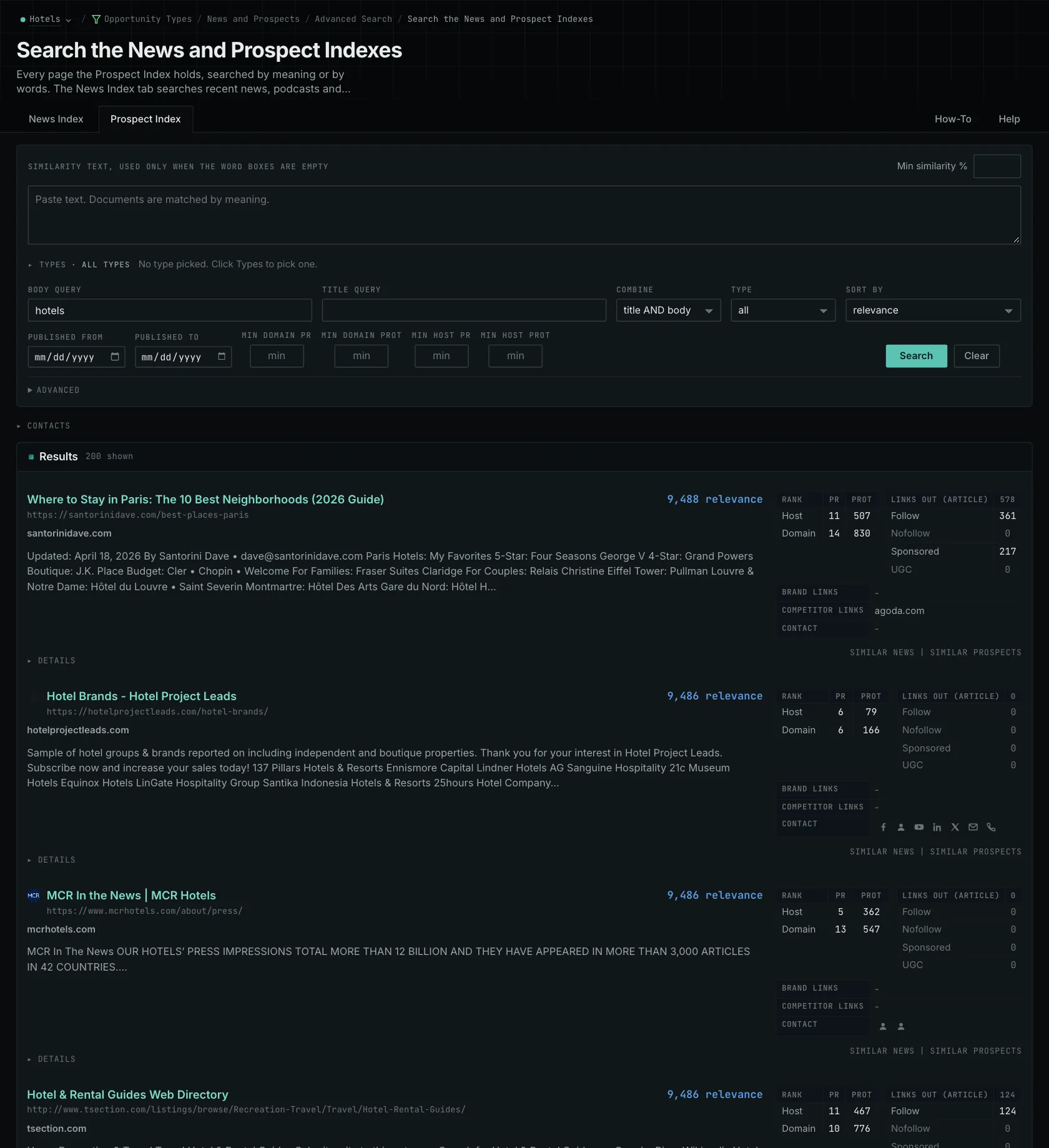
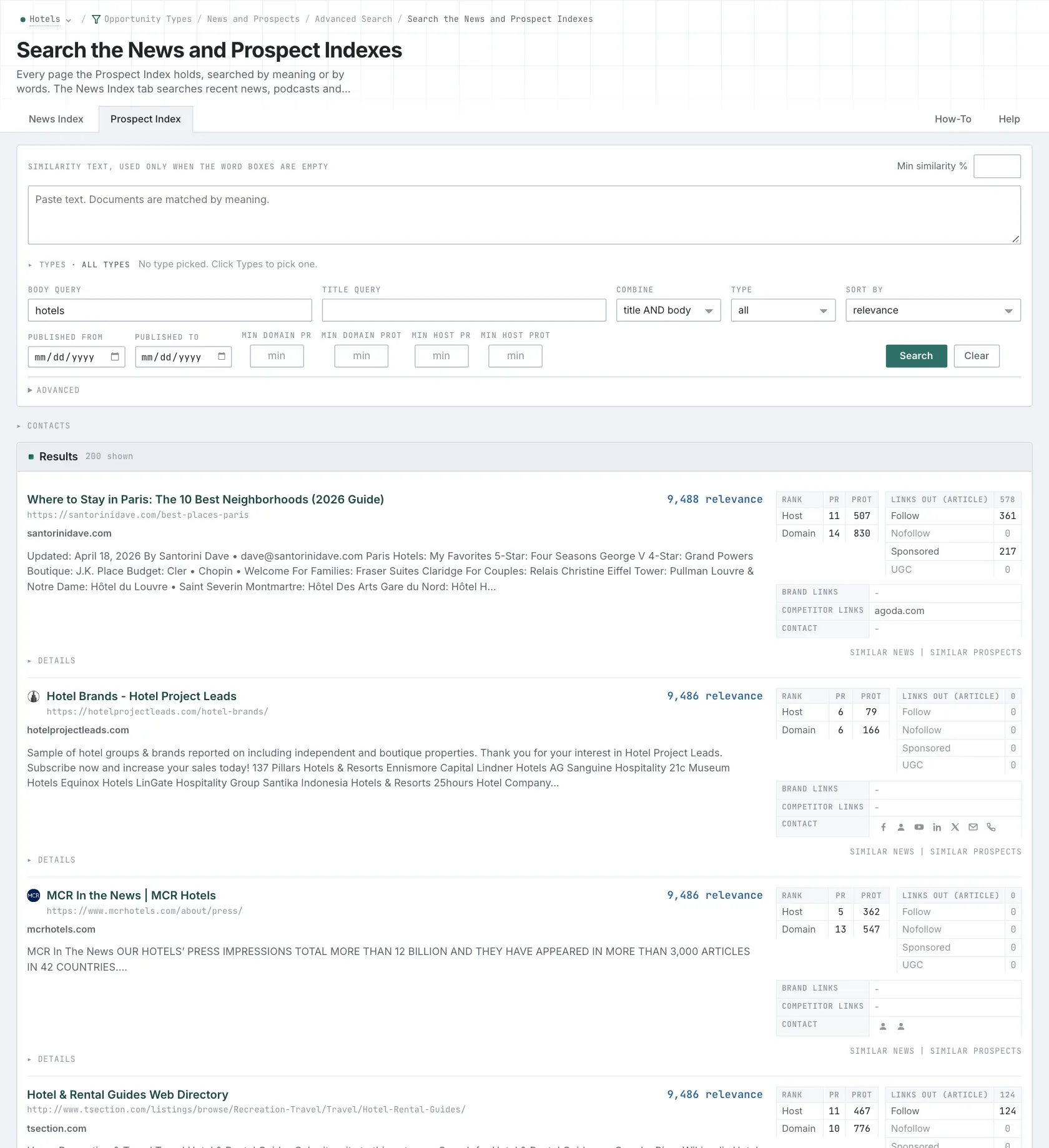
Then check whether the publication invites additions. A suggest-a-resource form or contributor guide can explain the format and process. If an article has no invitation, you need a clear reason why changing that particular page would help its readers.
For your accounting guide, look for a list of technical resources for auditors. Now you can explain what your guide adds and compare it with what's already listed. You have more to work with than a shared subject.
Read the requirements before doing the work
Sometimes the eligibility rules settle the question immediately. A directory may require membership or credentials. An award has an entry window. A resource list may accept only free tools. Contributor guidelines can set topics, length, or exclusivity, and a podcast needs a guest with experience that fits the discussion.
Those conditions are part of the opportunity. If a members-only directory lists your competitors, look at the membership before asking for the same listing. If a publication commissions opinion pieces, an unsolicited tutorial may not fit how it works.
If a requirement rules you out, record a short explanation and remove the candidate from your current work. You can reconsider it if the conditions change. Keeping the reason saves someone else from repeating the research.
Look at the publication as well as the page
An old opportunity page can still be useful if someone maintains it. Check recent articles, updates, and current contact details to see whether the publication is active. Monthly link history adds context to its present measurement, but a rising or falling line won't establish what's happening in the editorial team now.
Some findings need more research before you reach out: unrelated businesses listed without selection criteria, unclear paid-placement terms, no identifiable publisher, or material whose accuracy you can't establish. A site accepting links doesn't, by itself, make it a suitable place for yours.
A smaller specialist publication may be a better place to start than a large general site if its readers can use your contribution. Once you meet the basic requirements, weigh that fit against the time and material you'll need to participate.
Follow the process for the request you're making
A submission form may ask for the topic, credentials, and supporting material the editor needs to assess your proposal. Use that process when it gives them what they need. Look for a named person if the assignment requires one or the published route leaves responsibility unclear. If you need to verify an email address, use a separate verification service.
A correction, a missing-link request, and a new submission each need a different explanation. For a correction, you start with an existing error. For a new article, you need a contribution the publication has a reason to accept.
You're ready to approach the resource-page publisher when you can explain who it serves, what your accounting guide adds, and how it accepts suggestions. If few pages fit, refine the subject or try another opportunity type. The Prospect Index, prioritization walkthrough, and contact-research guide can help with those steps.
See how OppAlerts fits your work.
Tell me what you are working on and what you need to find out. I can walk you through the relevant reports and explain what OppAlerts can help you do.
You can explore the demo first, or use this form to ask about a task or arrange a demonstration with me.