OppAlerts helps your digital PR team find places to contribute and research the publications behind them. You can find candidate pages and published contact routes, then use your evidence and the publisher's requirements to decide what to propose.
Imagine you've done research that explains a current industry problem. An expert roundup might need one short finding. A podcast might want a conversation about your method. A trade publication might want an article that makes a case. Work out how your contribution fits the format before looking for an address.
Search by opportunity type to find those routes, including speaking calls, awards, directories, and resource suggestions. When you find an invitation, open the current page to check the submission window and requirements.
Read the publication before you propose a contribution
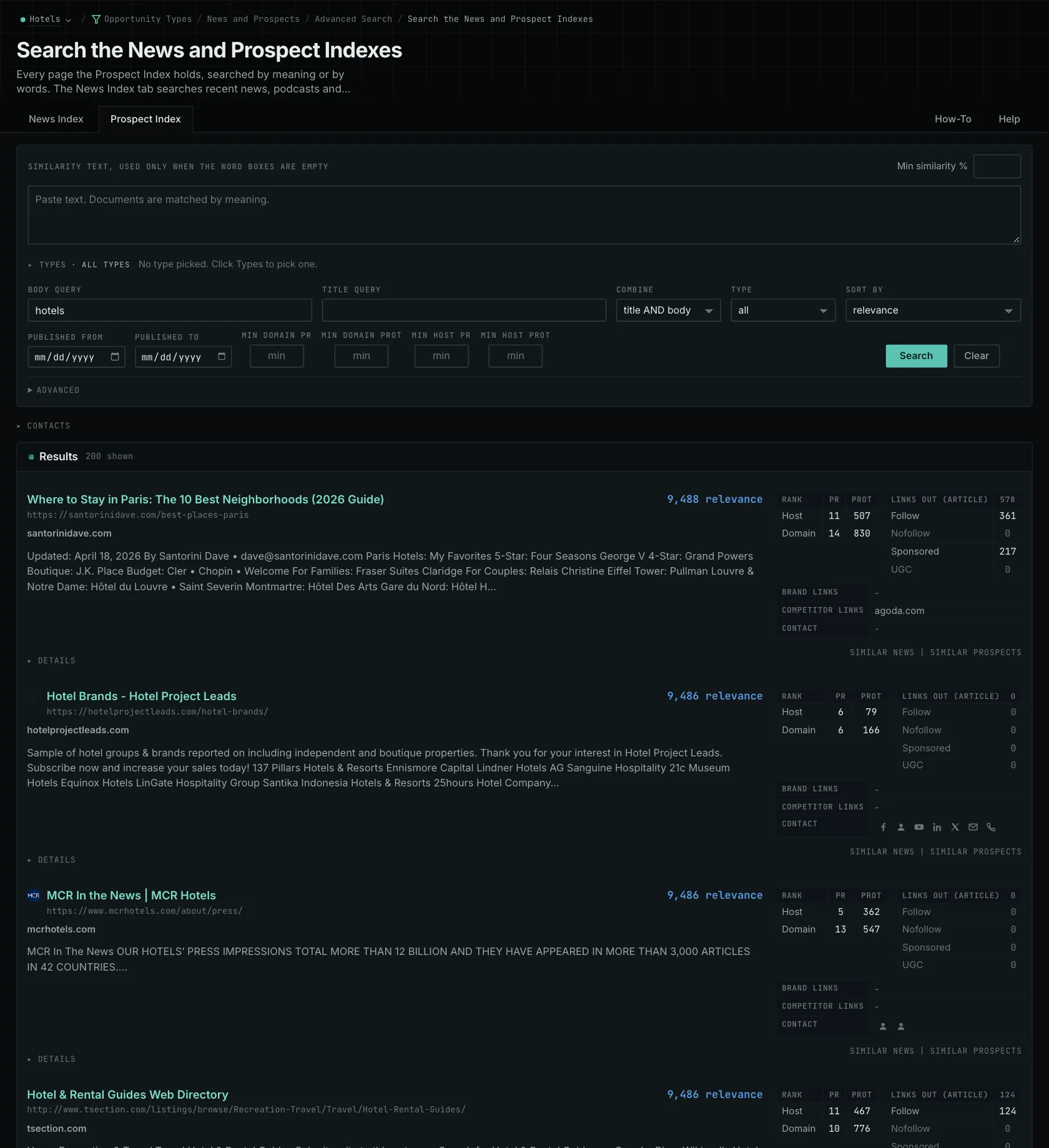
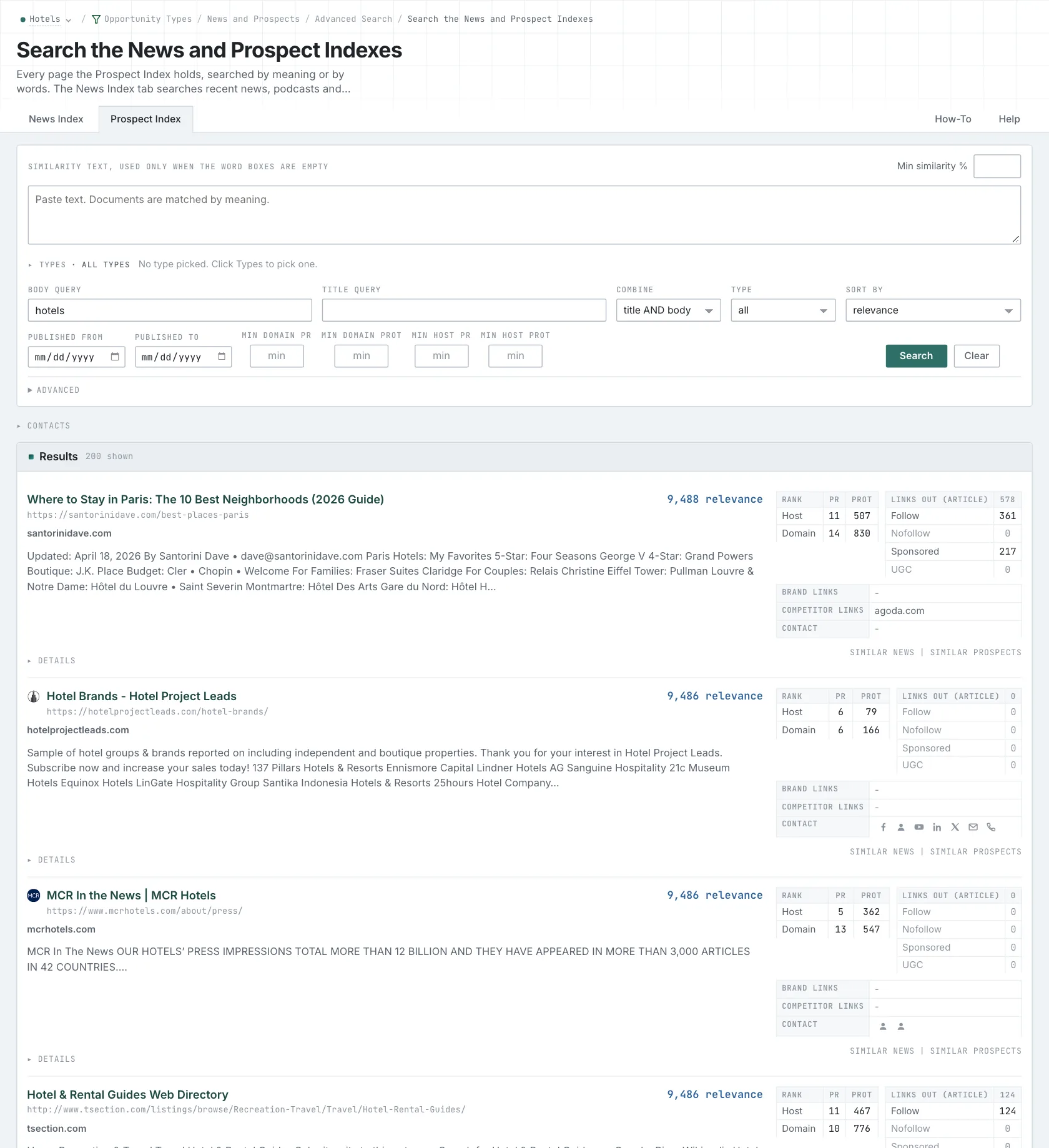
Read recent coverage to see who the publication serves and what it already explains. Similarity search can help you find relevant articles even when they use different words from your query. Then read them to decide what result, detail, or perspective you could add for those readers.
Check the rules for commercial contributors, vendor names, and original research. Look at length, exclusivity, and format requirements so you understand the work involved. Historical link measurements can tell you more about the site, but you'll need its current work to judge editorial fit and activity.
Existing coverage can give you a reason to get in touch too. A publisher that mentions your study may find a link to the original useful. Competitor coverage may show you inclusion criteria or subjects the publisher returns to. Read the source and identify what you can reasonably contribute.
Once you know that, follow the site's published contact instructions. Site Info returns collected contact pages, addresses, phone numbers, and social profiles. If there's a submission form, read it. It may tell you exactly what the recipient needs to evaluate your proposal.
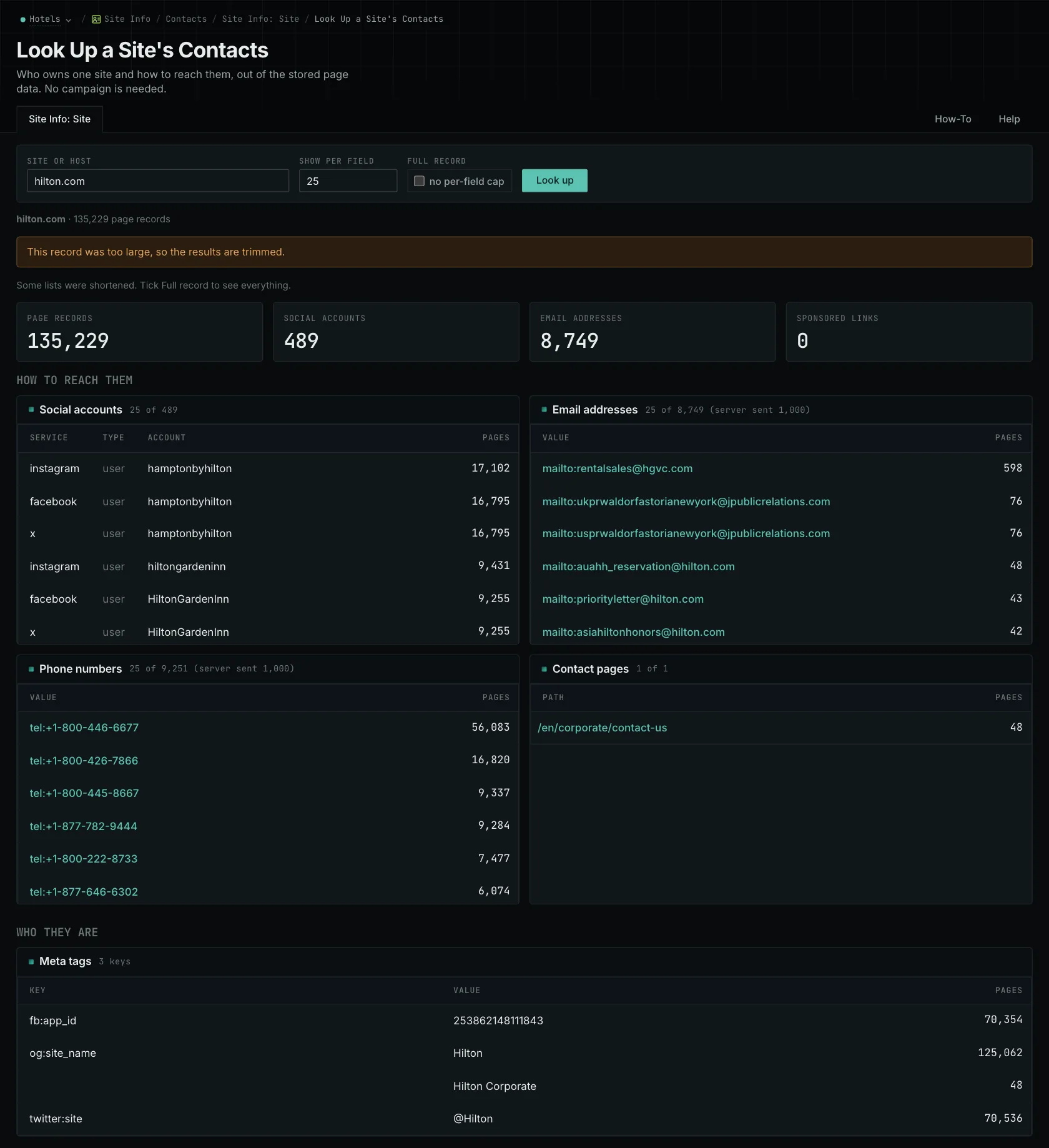
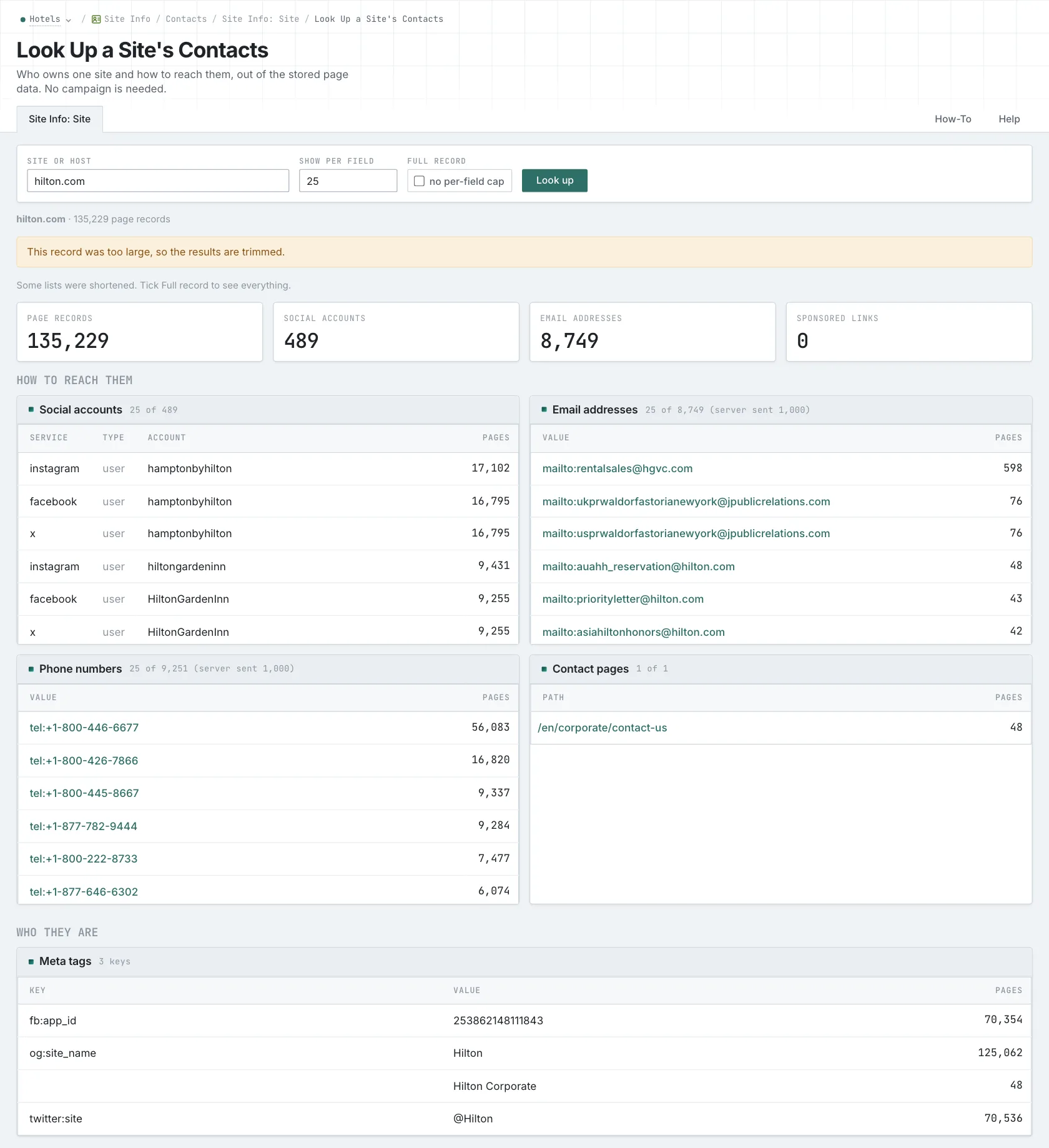
Published contact details aren't verified for deliverability. OppAlerts also doesn't have a journalist database with reporter profiles, beats, publication rosters, or curated editorial contacts. Use a media database and separate verification when your work requires those capabilities.
Submit when you can explain why your finding fits the audience and requested format. Track acceptance and publication separately from the research you've completed.
Related reading: how this compares with media databases, evaluating publications, what Site Info returns.
See how OppAlerts fits your work.
Tell me what you are working on and what you need to find out. I can walk you through the relevant reports and explain what OppAlerts can help you do.
You can explore the demo first, or use this form to ask about a task or arrange a demonstration with me.