The point of contact research is to find the right way to make your request. An email address can help. The publication's submission instructions may tell you much more: who handles the work, what they accept, and what they need from you.
Imagine you're proposing a guest article. A stored record has an editorial email address, but the current site tells contributors to use a form. The email could be real, and the form could still be the right place for this proposal.
Understand what the contact record contains
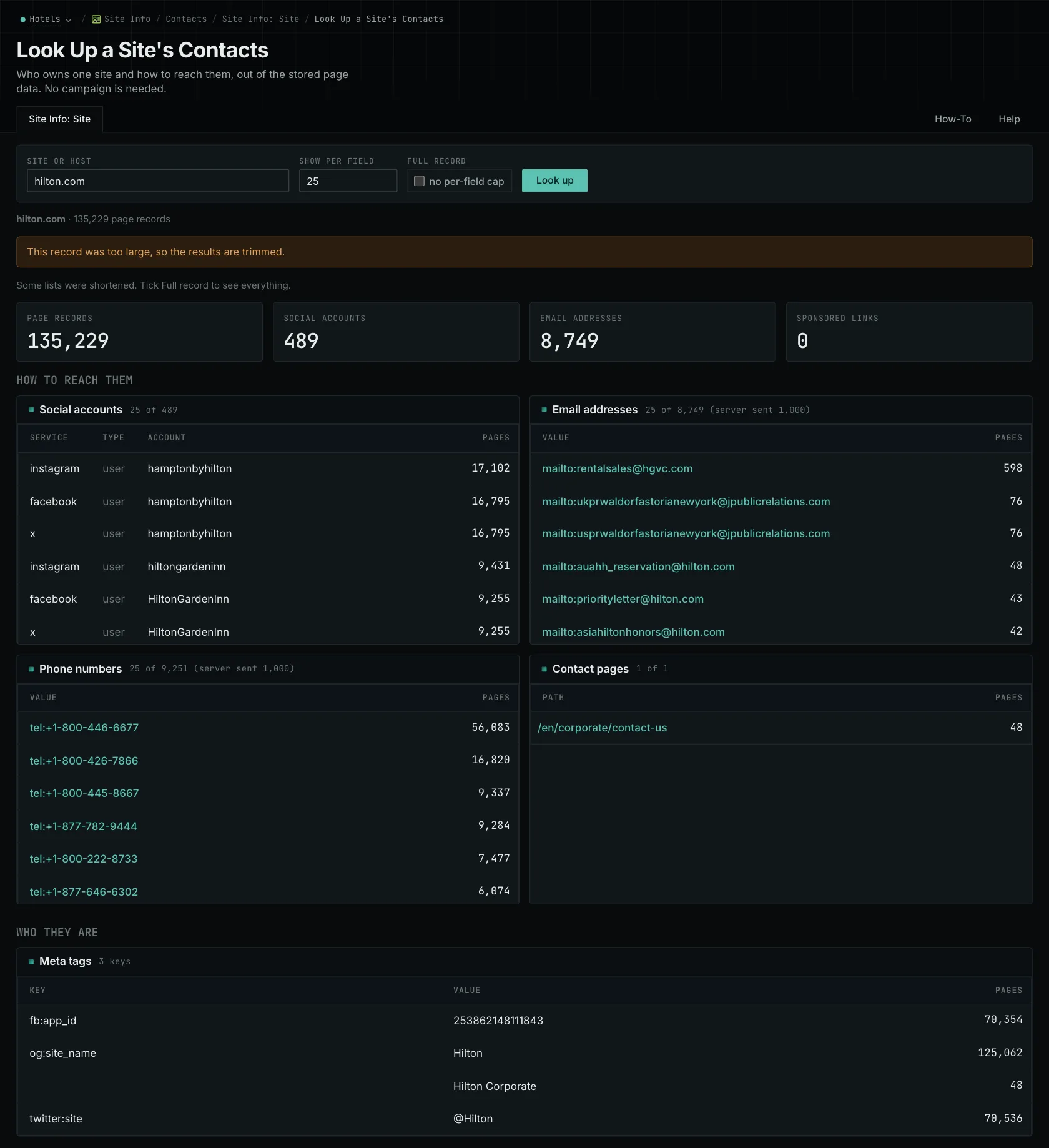
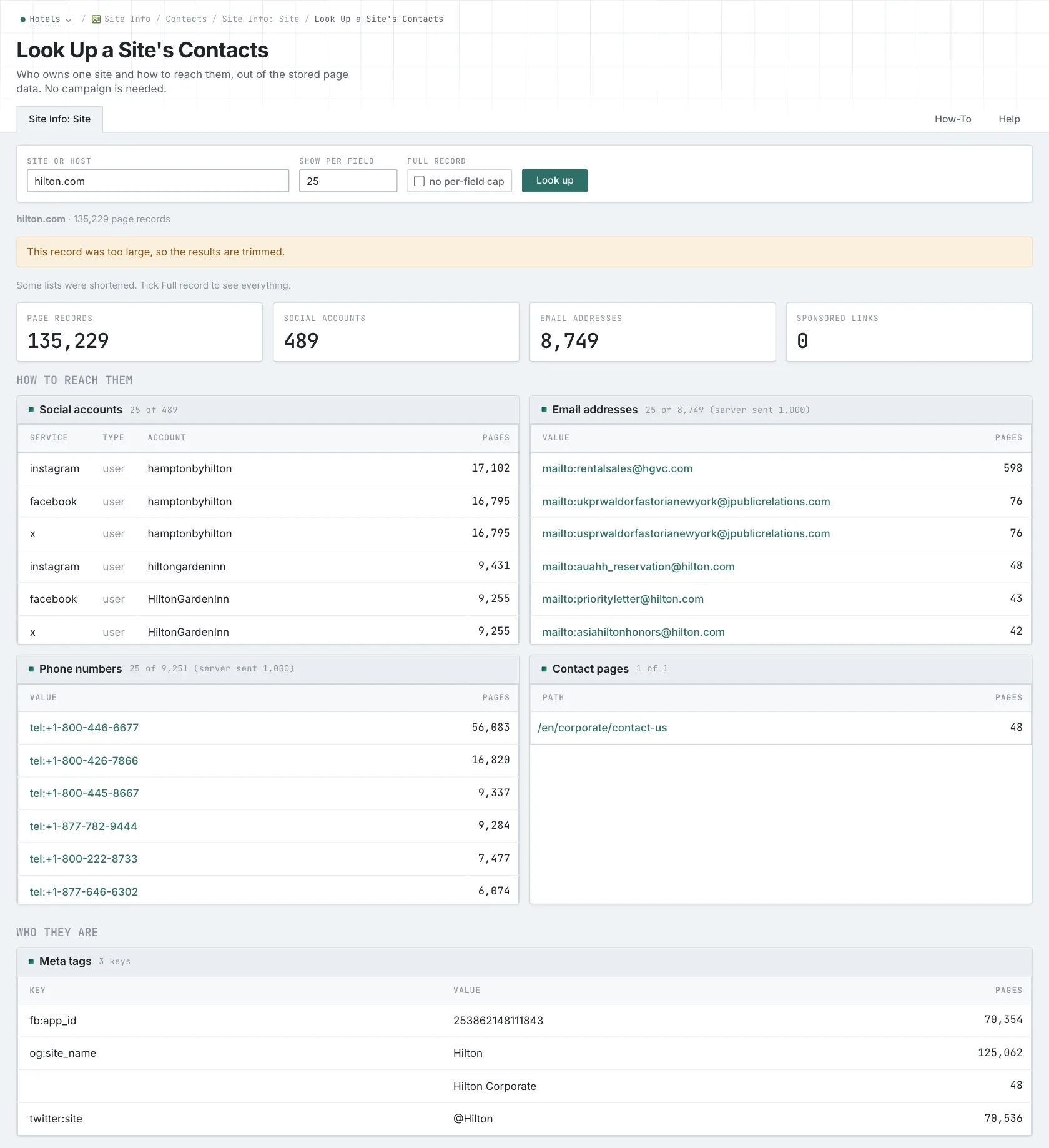
Website records can include details the publisher made public: contact-page paths, submission forms, editorial addresses, general enquiry lines, and social profiles. OppAlerts Site Info returns that collected information. It doesn't provide a researched journalist database with reporter profiles and beats.
Other services connect addresses with named people, and some check deliverability too. Those answer different questions. Knowing someone works at a publication doesn't establish that they handle contributions. Checking an address also doesn't guarantee that a person will receive or answer your proposal.
For your guest article, the form may already tell you what you need to know. It might ask for the topic, credentials, and supporting material the editor needs. Sending a general email without those details gives the recipient more work to do.
Check the publication before looking for more contacts
First, make sure your proposal fits the subject, audience, and contribution requirements. There's little reason to pay for an individual's address if the publication doesn't accept the work you want to submit.
Once you've established that fit, read the contact instructions for your particular request. A submission may go through a form. A correction may go somewhere else. Look for a named contact when the task requires a particular person or the site leaves responsibility unclear.
If you need to check deliverability, use a service that does that and explains the result. OppAlerts doesn't verify whether an address accepts mail. Save that separate check for candidates you intend to approach so you don't spend contact-research credits on unsuitable sites.
Check the live site when details are missing
A sparse record doesn't mean there's no way to contact the publication. A form may have no visible email address. Details could load through a script or appear in an image. The site could also have changed since collection.
If the publication fits, visit its current contact and contributor pages. You may find a form or instructions missing from the stored record. An address that is in the record can be outdated too, so check that against the current site as well.
Site Info doesn't promise a fixed refresh interval or a separate correction channel. Use its collected records to help find a route, then read the current website to check whether that route still accepts your request.
Give the recipient what they need to assess the request
A published address doesn't, by itself, establish consent to bulk messages. Your outreach obligations depend on the circumstances. Keep the message relevant to the publication, follow its stated process, and respect a request to stop contact.
For the guest article, save the form URL and prepare the material it asks for. Now you know how the publication wants to evaluate your idea. The Site Info guide, contact-data methodology, and lookup walkthrough explain how to get to that point.
See how OppAlerts fits your work.
Tell me what you are working on and what you need to find out. I can walk you through the relevant reports and explain what OppAlerts can help you do.
You can explore the demo first, or use this form to ask about a task or arrange a demonstration with me.