Your competitors' backlinks can lead you to publications and organizations you might otherwise miss. A backlink gap report finds referring sites with observed links to those competitors and no observed link to your site. That gives you a list to research. You still need to understand why each link exists.
Imagine a trade directory links to three of the four competitors you entered. Several similar businesses are there, so it looks promising. Before you ask for a listing, find out how they got in.
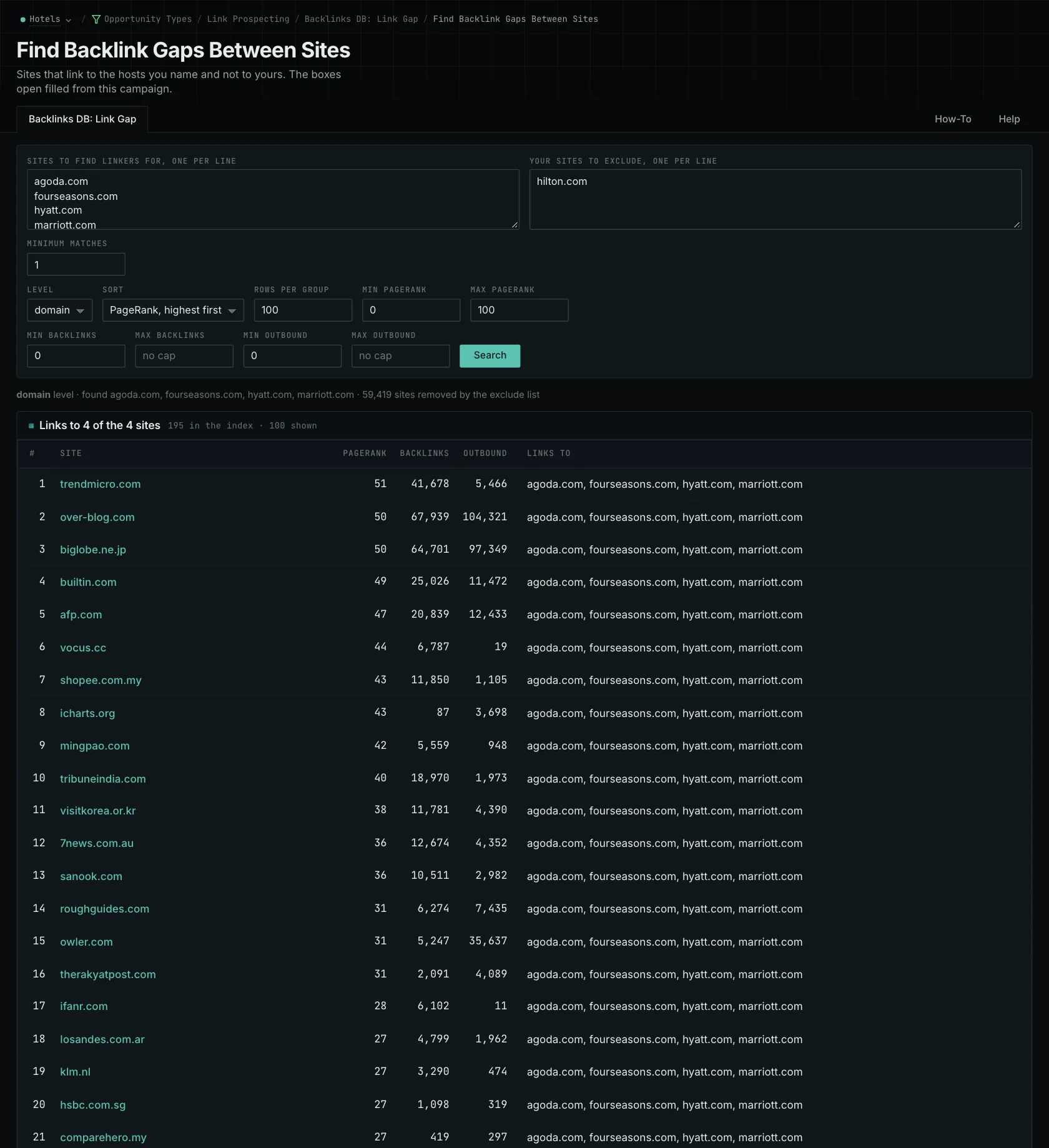
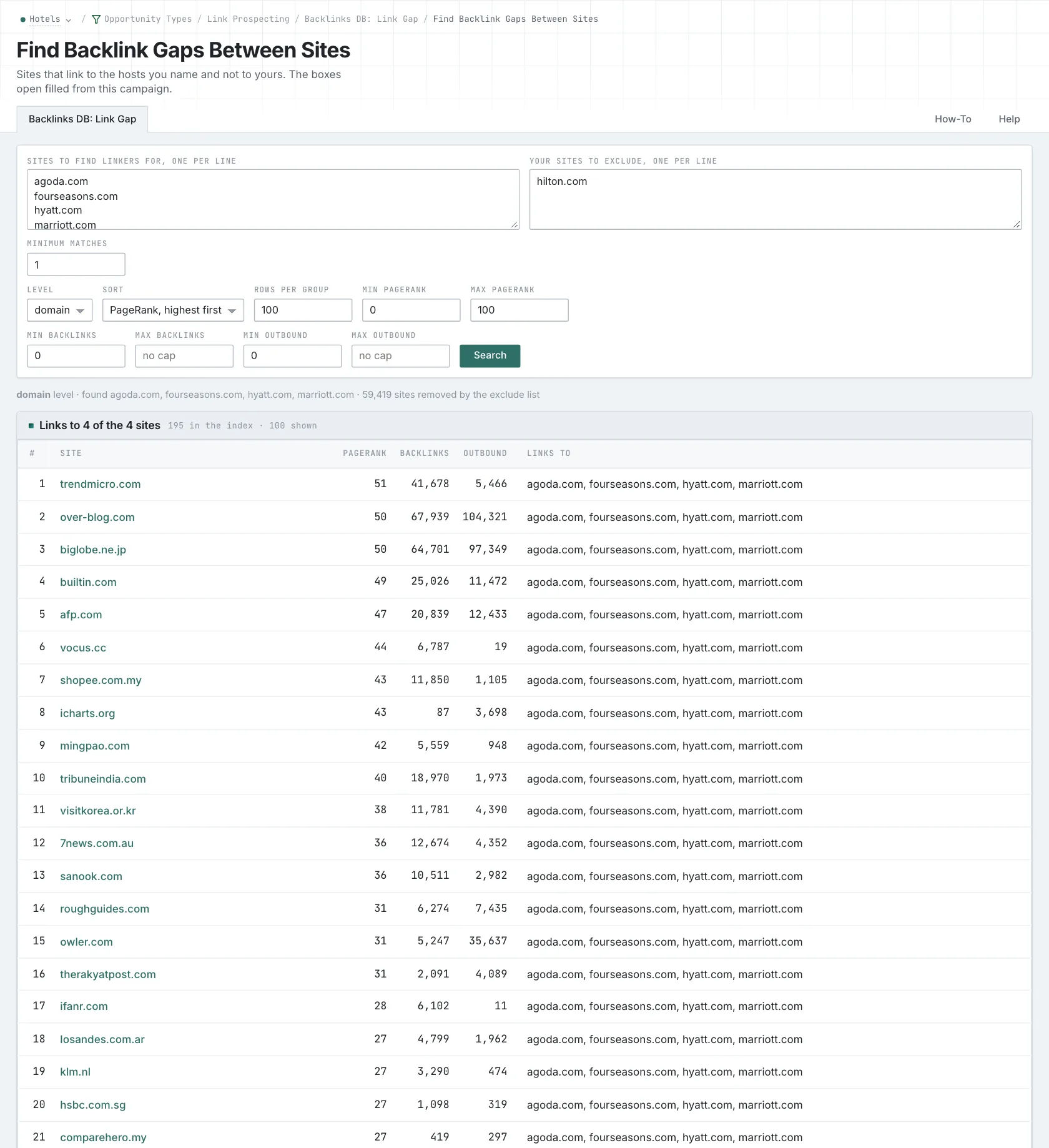
Understand why the link is there
A directory might list members only. An awards page might list finalists. A partner directory might require a commercial agreement. Each could show up as a gap, but getting a comparable placement would involve very different work.
For the directory, read the membership requirements, fees, and application process. If you qualify and the membership is worth it for your business, consider joining. If you don't qualify, asking for a link ignores the reason your competitors are listed.
Open the current page too. The report shows links found during collection. A link could have changed since then or been missed entirely. No observed link doesn't prove there's no live link. You might find that the directory already lists you and only needs a correction, or needs nothing from you at all.
Choose competitors that fit what you want to learn
The sites you enter determine which links can be compared. Direct competitors with similar offers can help you find publications serving the same buyers. Larger brands might have links from acquisitions, partnerships, or broader press coverage that you can't reproduce.
You can also look closely at one competitor or include suppliers whose customers overlap with yours. An adjacent business might lead you to a relevant publication. That doesn't mean all its referring pages are relevant. Read what each page covers.
Keep separate comparisons for different questions. Use close competitors to research your immediate market and large brands to explore wider relationships. Keep the input sites with the report so a colleague can see why the results differ.
Use the count to prioritize your review
Adding competitors increases the possible matches and changes how you should read the count. Three matches out of four closely related businesses mean something different from three matches across a much broader list.
If the tool shows how many selected competitors a site links to, use that to help decide what to inspect first. A site linking to much of a carefully chosen set is worth a look. You still need to check whether you qualify and whether the publisher accepts requests.
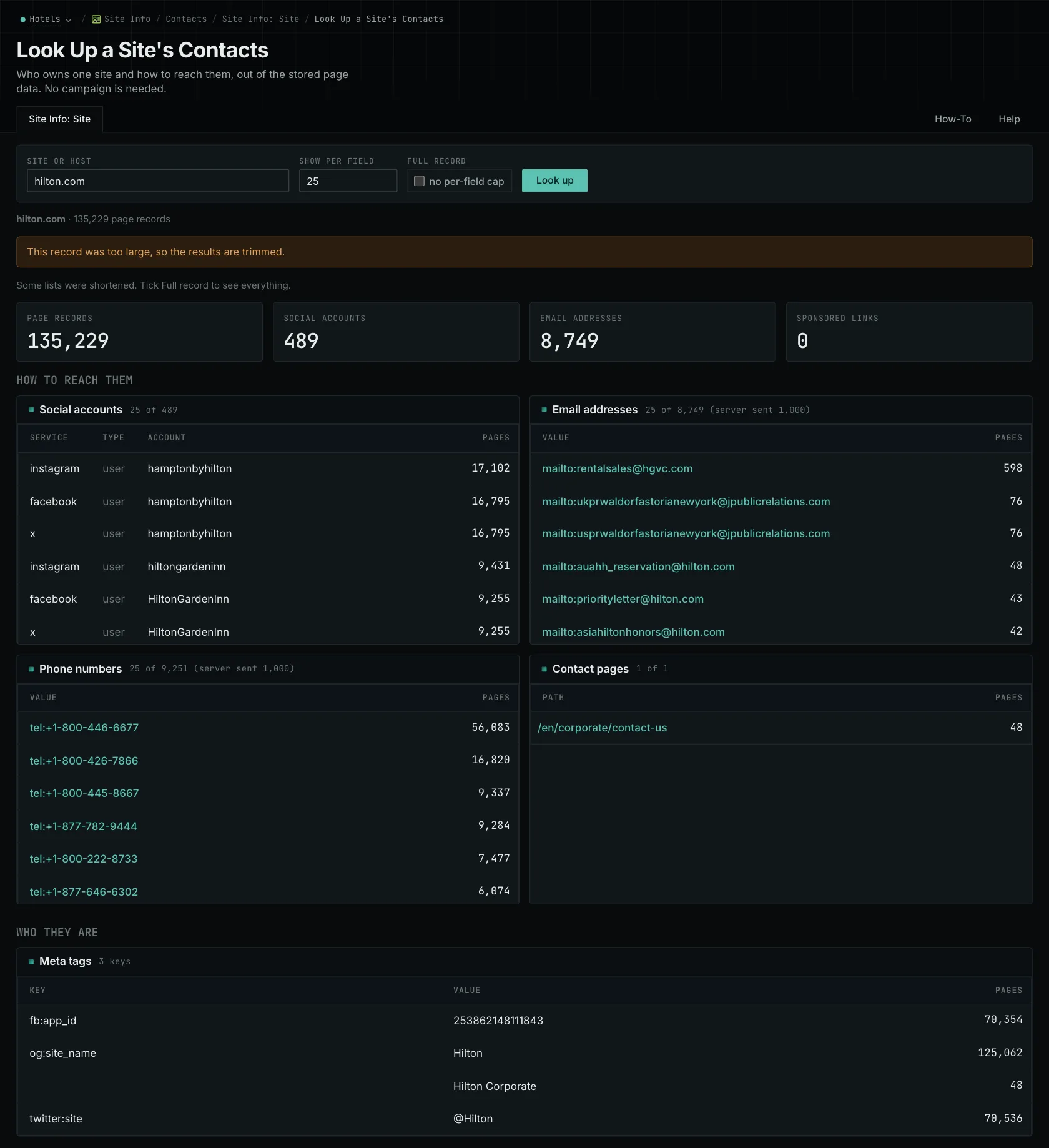
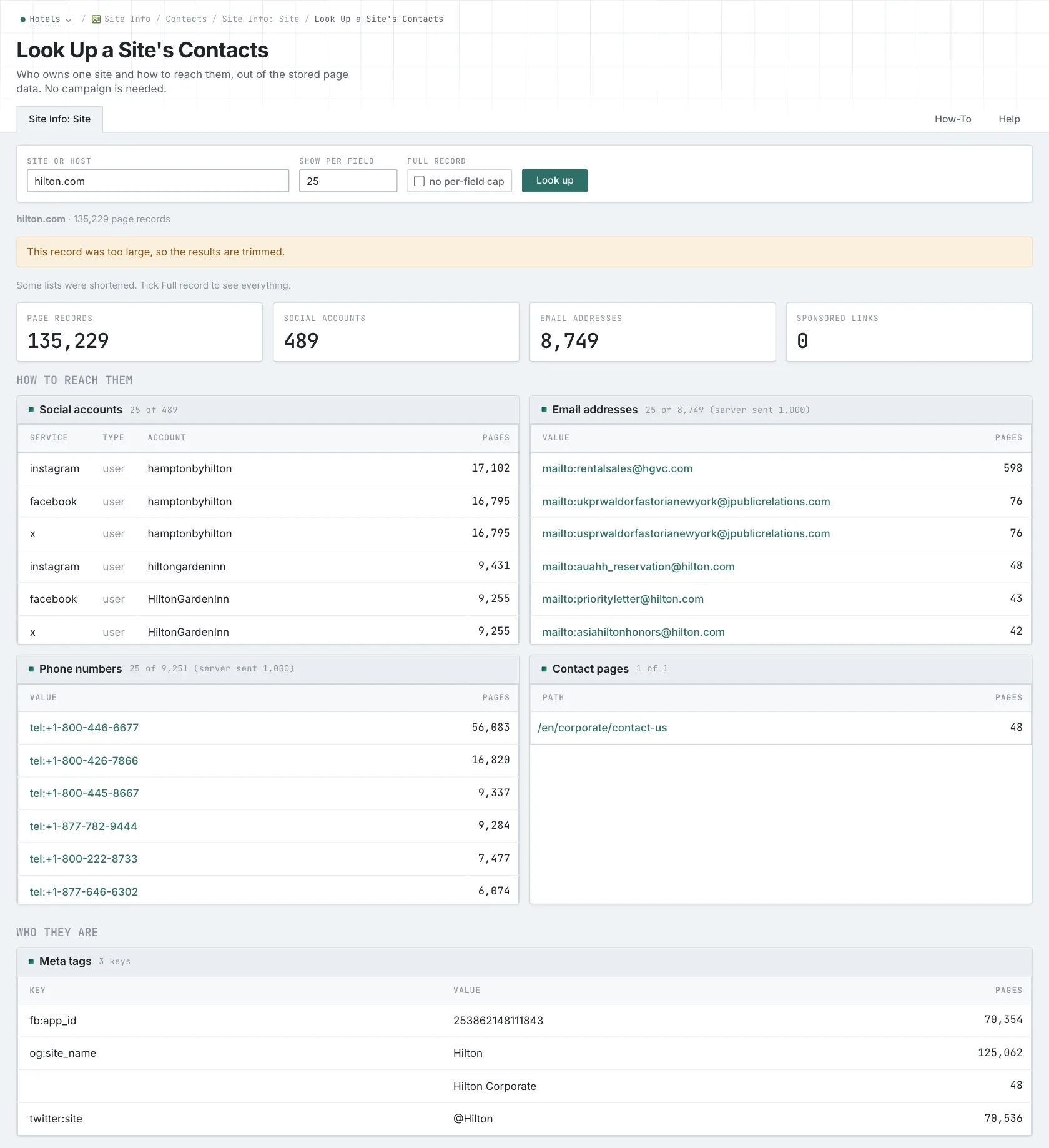
Once you understand the subject and how to get included, check whether the site is active and what else it requires. Recent publishing shows activity directly; link history adds context. Read the fees, credentials, deadlines, and contact instructions before preparing a request.
Look beyond your competitors' links too
A gap report relies on competitor links already in the collected data. A relevant podcast with no observed link to any competitor you selected can't appear through that relationship. Neither can a new directory or association that nobody in your comparison has joined.
Opportunity-type searches let you find candidates without requiring those existing links. If few gap results qualify, try another way of finding opportunities. You don't need to lower your requirements just to use the results you have.
For the trade directory, your finished research should explain whether you can join, what it costs, and why it would help the business. Keep that explanation when you accept or reject it so the next review doesn't repeat the work. Use the Link Gap report, follow the competitor-gap walkthrough, or continue with prospect qualification.
See how OppAlerts fits your work.
Tell me what you are working on and what you need to find out. I can walk you through the relevant reports and explain what OppAlerts can help you do.
You can explore the demo first, or use this form to ask about a task or arrange a demonstration with me.